
Kitchen Cabinet Quote Comparison
Reconcile different Covington kitchen cabinet counts and grouping descriptions using identifiable goods, quantities, completion pieces, and quote scope.
Bring your project details together before considering a cabinet purchase.
Send my cabinet inquiry
Or call (562) 203-3232. Calls only, we do not receive text messages.
A checklist can organize a cabinet purchase without answering every question on it. For Covington, Covington Cabinet Index uses six guides to show where the answer must come from: the room record, exact product documents, an actual seller offer, or a separately engaged professional. The buyer's task is to connect each uncertainty to evidence rather than mark it complete because a guide mentions it.
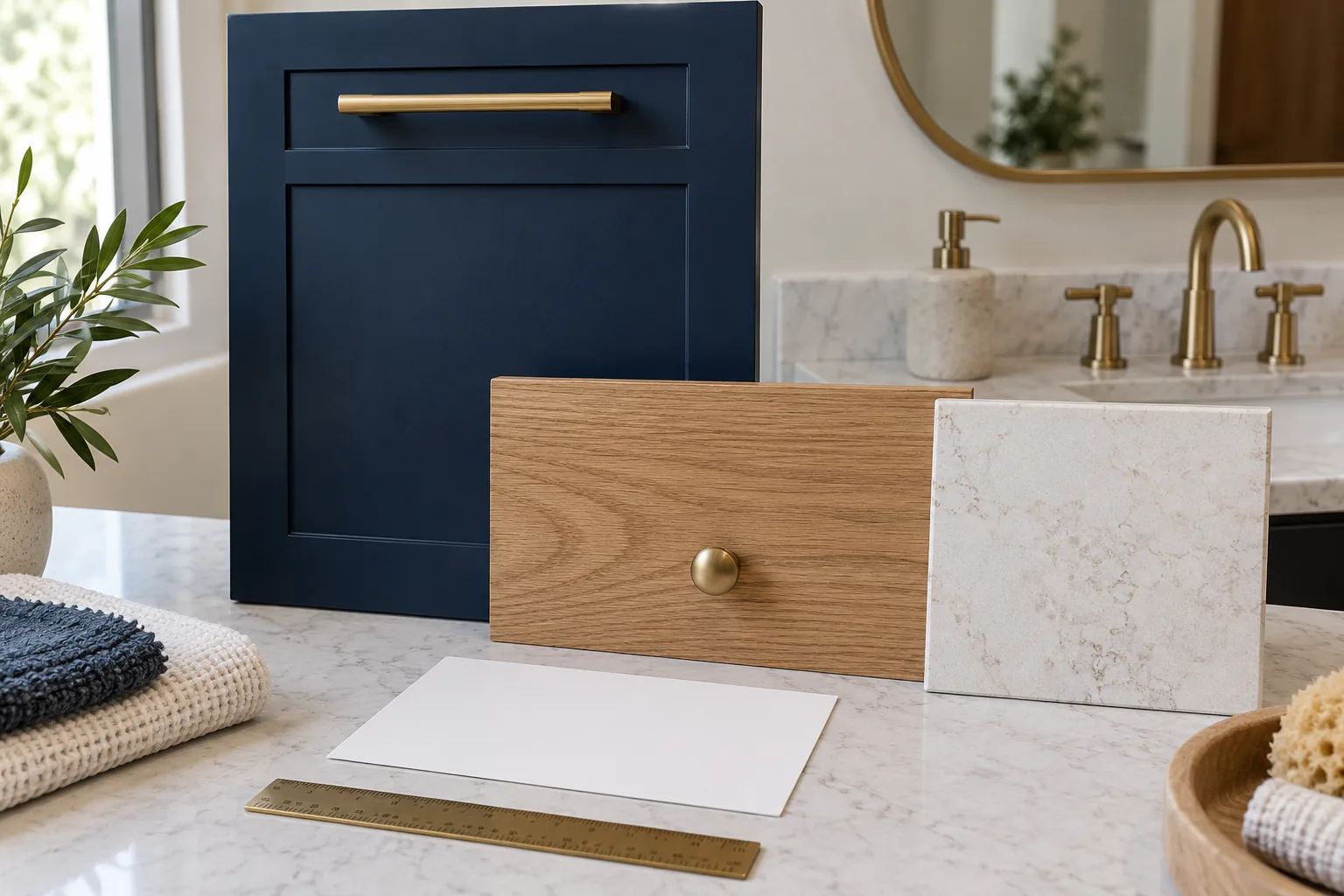
The directory distinguishes preparation from accepted responsibility. The owner records inquiries for review; the publication does not become a measuring, assembly, plumbing, or transport provider through a guide selection. A possible introduction requires permission and recipient acceptance, while actual goods and work need their own documented commitments.
About Covington Cabinet Index
Independent cabinet buying information and quote-request service. We do not manufacture, stock or install cabinets. A referral, supplier response, appointment or purchase is not guaranteed. Product availability, delivery and installation must be confirmed directly with the seller or separately engaged contractor.
Every service
Reconcile different Covington kitchen cabinet counts and grouping descriptions using identifiable goods, quantities, completion pieces, and quote scope.
Prepare a Covington doorway-adjacent cabinet plan with observed references, selected moving fronts, complete products, and clearly scoped checks.
Compare the instructions across a Covington RTA order, then evaluate exact offered products, complete task commitments, receiving, and format estimates.
Compare Covington wall-mounted and floor-supported vanity offers with product requirements, room observations, component scope, and accepted assessment.
Control Covington base and upgrade room packages with complete alternatives, purchasing versions, fit dependencies, receiving references, and estimates.
Plan Covington cabinet access using two observed route options, actual shipment information, accepted service boundaries, receiver checks, and charges.
The layout guide examines a proposed arrangement beside a doorway with two different opening directions under consideration. It asks which observed dimensions and selected products support the intended movement. A general room category cannot establish that relationship. The person relying on the purchasing drawing needs the actual references and unresolved facts.
The output is a room-and-option record, not a field certification. Mark inaccessible conditions and preliminary measurements. If someone changes the proposed door or unit, identify which check needs revisiting. A checklist can point to the required evidence while leaving the answer explicitly open until the responsible party confirms it.
The hypothetical buyer may have enough facts to discuss alternatives without enough to order. Preserve that distinction in the product request. A polished sketch is not evidence that every number has been verified. Use the guide to formulate the specific question rather than announce that the layout step is complete.
The RTA guide follows a buyer comparing assembly instructions for different intended units within one proposed range. A basic unit's familiar method should not be assumed to describe every drawer or tall-unit task. The actual documents identify what must be understood before the buyer chooses a format arrangement.
The vanity guide compares a proposed floor-supported product with an offered wall-mounted alternative. It asks for the actual component and support requirements, observed room facts, and appropriate professional assessment. The article does not determine structural suitability or supply a universal mounting rule.
Both guides produce questions tied to exact goods. A category label, photograph, or broadly named material cannot establish every instruction or relationship. Request the actual references from the seller and preserve what they apply to. An unsupported statement remains a question rather than a feature copied into the order.

The kitchen quote guide examines different unit counts and grouping descriptions in proposals for an intended storage arrangement. It asks what the totals actually contain before interpreting a count difference as a price difference. The seller needs to identify offered products, quantities, fronts, and completion pieces.
The delivery guide considers two proposed access routes at the actual property. The buyer can observe them while the seller or carrier must accept the service boundary and route information it needs. A public plan or locality name cannot make that acceptance on its behalf.
These guides produce a scope comparison and a fulfillment question. Ask the actual seller about availability, transaction conditions, substitutions, and reporting terms. The Index has not observed an offer for the hypothetical project. Reading the relevant article does not reserve stock, approve a route, or book a shipment.
The package guide organizes base and upgrade alternatives across several rooms. It preserves which combination the purchaser is considering and which room checks support it. A revision should not combine pieces from several alternatives accidentally. The buyer's authorization path needs the actual seller's terms.
Separately engaged measuring, assembly, plumbing, or installation work has its own accepted scope. A product quote should not be assumed to include those tasks. Ask what each professional checks and what prerequisites remain. The owner reviewing an inquiry does not inherit those execution responsibilities.
The locality exercises help identify similar boundary issues: Oxford supply-only scope, Porterdale split component offers, and Mansfield unresolved seller terms. Each is hypothetical rather than a statement about local practice. Use the exercise relevant to the actual transaction and preserve its correct project identity.
When a professional responds, ask whether the answer concerns a product choice, an observed room condition, or accepted work. Record that boundary beside the checklist item instead of treating every response as approval of the whole purchase.
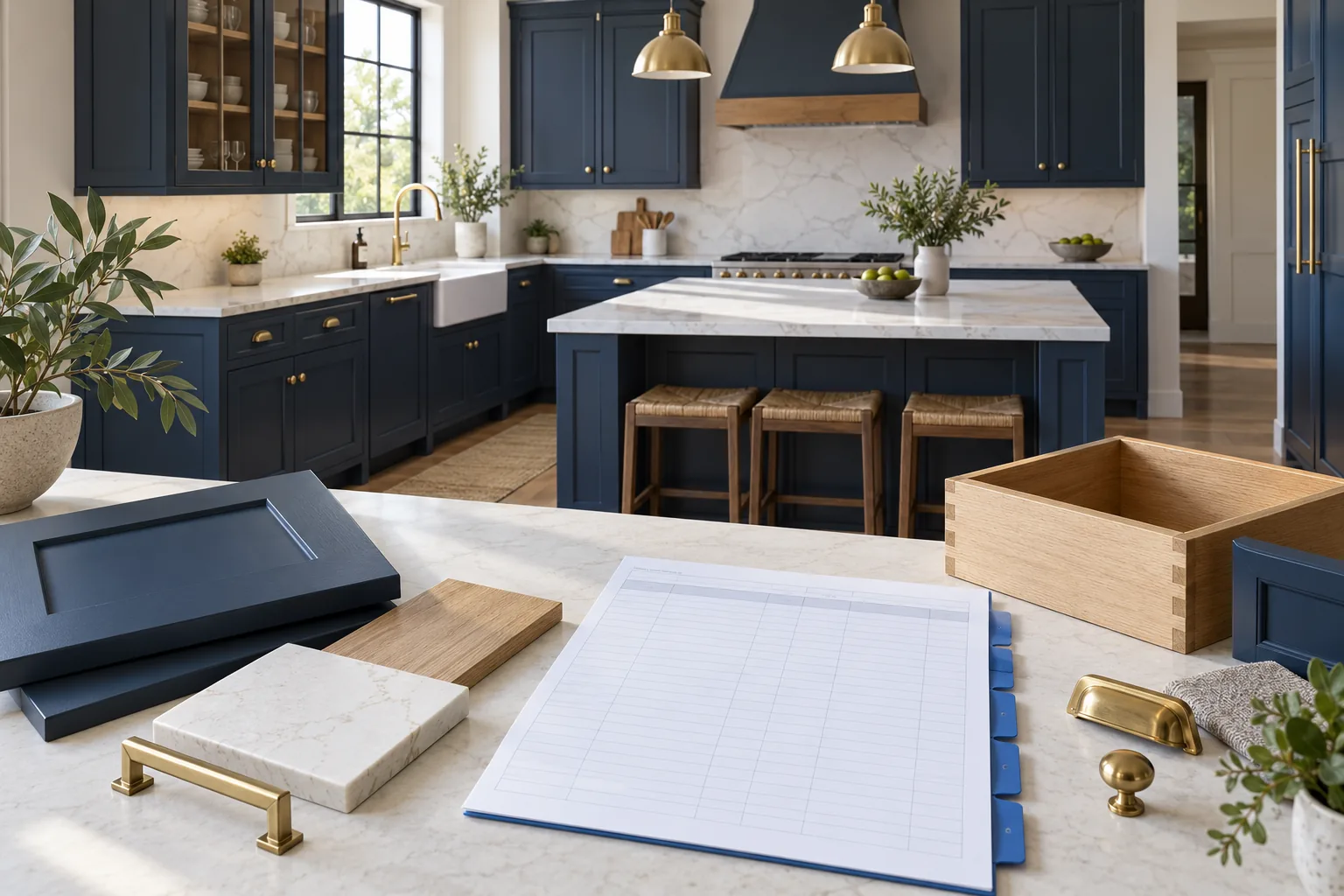
No observed Covington guide-topic rates are supplied. Obtain estimates for the actual goods and offered fulfillment, then independently quoted work you intend to purchase. Mark an unoffered task unknown. A checklist entry does not establish a service amount, availability, or included labor.
If an alternate changes several goods or responsibilities, list those differences rather than call the amount the cost of one choice. Preserve dates, assumptions, and proposal versions. The buyer should be able to trace a number to the party offering that scope, not to the guide that suggested asking about it.
Evidence-linked estimates are subject to change with actual selections and accepted responsibilities; the seller's written quote establishes its goods, services, and charge. Other providers require separate documented terms. The Index cannot guarantee a cost outcome or replace an absent quote with an invented local allowance.
An inquiry should identify the Covington project, the unresolved item, and the evidence already available. Include current product or drawing references and preferred timing. A guide title alone cannot tell a reviewer which answer is missing. State the question in ordinary language and label preliminary facts.
The FTC reference supports looking for written scope, materials, timing, and price. Use that habit across the guides without implying the Index has vetted a supplier or a professional. The actual transaction parties must establish their commitments.
The owner records and reviews submitted details, with possible contact sharing conditional on permission and a willing recipient. There is no automatic guide-to-provider assignment. The publication helps you connect a question to its evidence source while actual availability, work, and purchasing terms remain separately accepted decisions.
Inquiry process
Sending an inquiry does not reserve products or book work.
Include project ZIP, room, approximate cabinet list and preferred timing.
Identify assembly, access, measurements and any separately arranged labor.
An inquiry can be referred only if a suitable seller accepts the location and product request.
Confirm the final drawing, itemized price, payment, delivery and return terms directly before ordering.
Questions
A checklist identifies evidence and open questions; it does not certify room facts or create provider acceptance. Ask which party checks the actual arrangement and what its scope includes. Keep an unanswered item visible rather than mark it complete because the article mentions it.
Use instructions for the exact proposed units and obtain clarification from the relevant seller or qualified party. A familiar basic unit does not establish every task in another unit. The Index owner reviews the inquiry record without supplying product support or an assembler automatically.
Only the actual accepted offer can establish that scope. Identify the task, responsible party, prerequisites, and amount explicitly. Independently engaged work needs separate documented terms rather than being inferred from a complete room image or guide title.
State the precise uncertainty, current product or drawing, relevant observations, and project locality. Label what remains preliminary. The owner reviews those details, while a possible introduction depends on consent and independent willingness rather than a guaranteed supplier response.
Local buying information
Describe the purchase and project ZIP in Covington. Supplier acceptance and any referral are confirmed separately; no visit or quote is booked by this form.
Calls only, we do not receive text messages.