
Kitchen Cabinet Quotes in Covington, GA
Prepare a cabinet list and compare what each kitchen quote includes.
Send my cabinet inquiry
Or call (562) 203-3232. Calls only, we do not receive text messages.
Different cabinet counts can conceal different ways of describing an order. For Covington, Covington Cabinet Index follows a hypothetical buyer whose two kitchen proposals use different grouping language for the intended storage. Before deciding one seller charges more per unit, the buyer needs to learn which actual goods, fronts, accessories, and completion pieces each count represents.
- Independent buying guidance
- Product inquiries
- Seller availability confirmed separately
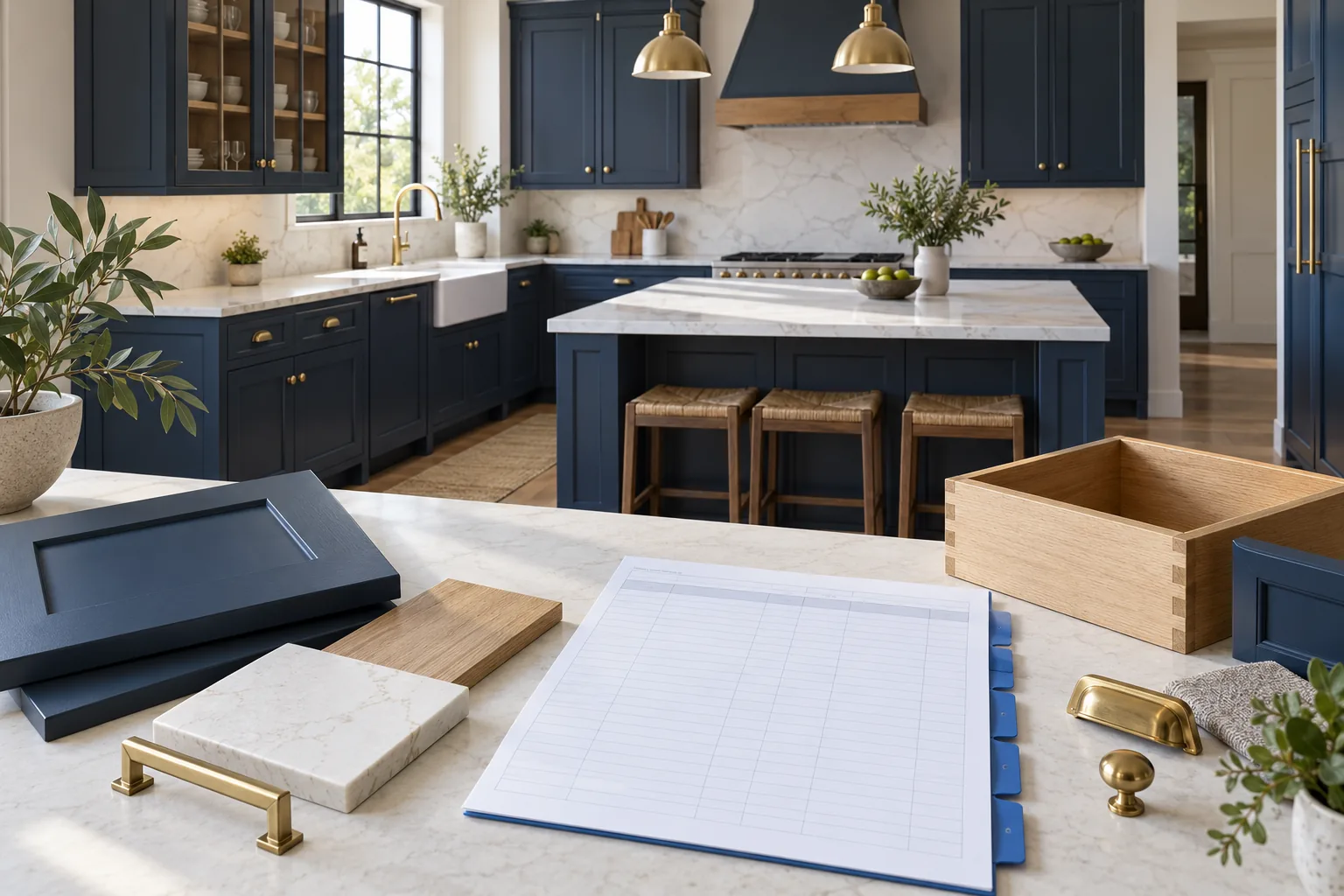
Buying questions: kitchen cabinet quote comparison
Compare identifiable supply lines rather than totals divided by a headline count. The owner records inquiries for review, while the Index does not set unit prices or verify seller inventory. The actual seller must explain its offered products and transaction terms. Room fit and any independently arranged work remain separate responsibilities.
About Covington Cabinet Index
Know who handles each part
Independent cabinet buying information and quote-request service. We do not manufacture, stock or install cabinets. A referral, supplier response, appointment or purchase is not guaranteed. Product availability, delivery and installation must be confirmed directly with the seller or separately engaged contractor.
Ask what is being counted in each proposal
Request the seller's product references and quantities for the intended arrangement. A package count may not describe fronts, separate accessories, or finishing pieces in the same way as another seller's list. The number alone cannot establish equivalent goods. Ask which recognizable unit or component each entry supplies.
In the hypothetical comparison, one proposal groups a storage assembly under one line while another identifies its elements separately. That difference may explain some of the count discrepancy without proving equal construction or scope. Preserve the actual references and descriptions so the comparison can proceed on evidence.
Do not invent a universal counting method for cabinet offers. Ask the sellers to map their lists to the intended arrangement in ordinary language. The buyer needs to know what will arrive and which pieces it is meant to create. A comparison should reveal the difference rather than force incompatible lists into an unexplained average.
Map each line to the intended kitchen
Use a current drawing or room description to identify where each offered unit belongs. Keep retained appliances and any existing goods outside the supply list clearly marked. A seller's product count should connect to the actual requested arrangement, with alternates separated. An extra line may reflect another piece rather than extra storage.
Record observed room facts and which fit questions remain preliminary. The seller can describe goods accurately while a proposed combination still needs checking. Identify the party responsible for that check. A counted unit is not automatically a suitable unit merely because it appears in a complete proposal.
Ask about visible ends, fillers, trim, and other required completion pieces for the offered arrangement. If one seller includes them and another has not answered, mark the difference. A lower count should not be called more efficient before the buyer knows whether it omits goods needed for the intended result.
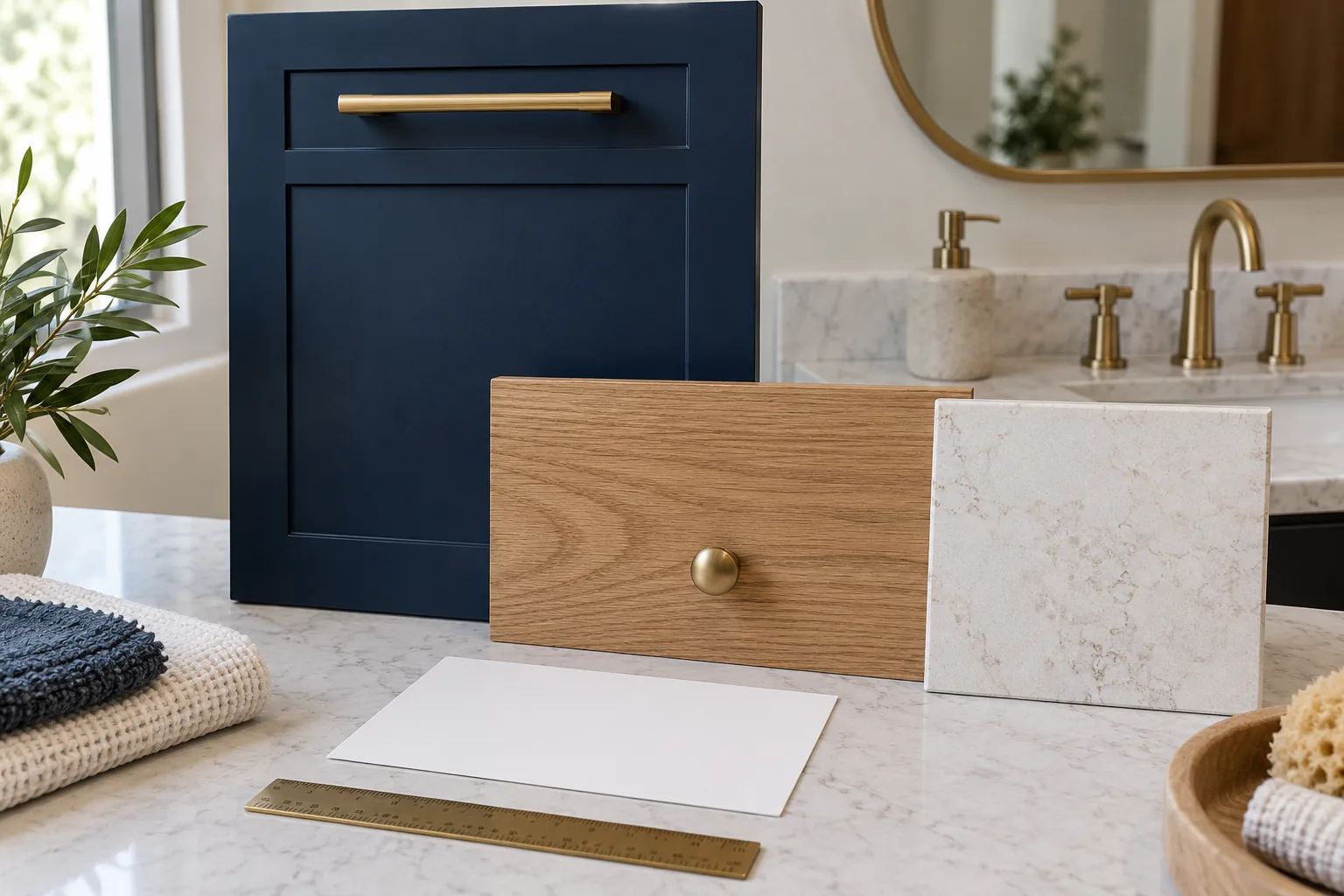
Compare specifications after the quantities are readable
Identify fronts, box information, hardware, finish, and internal features for the actual proposed lines. Similar counts do not establish equivalent construction. Keep product differences visible even after grouping questions are resolved. A buyer can accept a different range, but the reason should be part of the decision.
If a performance claim matters, obtain evidence for the exact line. The KCMA reference identifies a performance and construction standard, not the status of every cabinet in an unknown proposal. Preserve the seller's documentation with the goods it actually supports.
For the hypothetical buyer, an accessory included in one count may change storage function while another offer lacks it. Ask whether an equivalent intended function is offered and what its complete consequences are. Do not silently treat an unoffered piece as included or assume every accessory is interchangeable across ranges.
Keep fulfillment and work outside the counting shortcut
Ask about assembly format, destination acceptance, included handling, and separately arranged work. Those responsibilities may differ even where the product quantities become comparable. A total divided by cabinet count cannot explain which task the buyer must undertake or hire independently.
The FTC written-estimate guidance supports comparing scope, materials, timing, and price. Apply it to the actual offers without creating a legal rule or implying a vetted seller. The Index has no observed provider relationship for this hypothetical project.
Confirm the actual Covington destination with each seller when considering fulfillment. The adopted Newton municipal list provides locality context, not freight acceptance. Keep an unresolved delivery or labor line visible. The comparison should show both identified goods and the accepted boundaries of the intended purchase.

Cost estimates for a reconciled unit list
The supplied sources contain no observed Covington price per cabinet or kitchen tariff. Request estimates tied to readable identified goods and quantities. If a seller revises grouping without changing supplied scope, ask it to explain that. If goods change, preserve the difference before comparing the new total.
Separate required components, optional choices, fulfillment, applicable charges, and independently engaged work sufficiently to understand their roles. An absent amount remains unknown. Avoid deriving a supposed local unit rate from unlike product counts. The buyer needs actual offered scope rather than a calculation that conceals differences.
Reconciled-count kitchen estimates are subject to change with selected goods and accepted responsibilities; the seller's written quote establishes its identified quantity version and amount. Independent work requires separate documented terms. The Index cannot guarantee an equivalent package, a unit-price saving, or current stock from this comparison exercise.
Use the clarified list for purchasing and receiving
Bring the chosen product references and quantity explanation into the current quote and expected shipment record. Ask for correction if a grouping label still hides an intended component. The receiver should know which goods are expected without calculating them from a room image or headline cabinet count.
Obtain the seller's substitution and discrepancy process for the actual transaction. A substitute may change grouping or required completion pieces, so identify its consequences before accepting it. Preserve the current drawing and quote together. An old count should not be reused after the intended goods change.
For inquiry review, identify the Covington proposals and the quantity or grouping difference still unclear. The owner records the question without becoming the seller. Possible contact sharing requires permission and recipient willingness, with no automatic supplier match. Complete actual purchasing commitments through the party accepting the clarified scope.
If one supply line is packed in several cartons, ask the seller how those cartons relate to the accepted product reference. A shipment count should be reconciled through actual identifiers rather than assumed to equal the quoted unit count.
Inquiry process
From buying questions to a possible supplier quote
Sending an inquiry does not reserve products or book work.
Describe the purchase
Include project ZIP, room, approximate cabinet list and preferred timing.
Clarify requirements
Identify assembly, access, measurements and any separately arranged labor.
Confirm referral availability
An inquiry can be referred only if a suitable seller accepts the location and product request.
Review seller terms
Confirm the final drawing, itemized price, payment, delivery and return terms directly before ordering.
Illustrative product choices
Illustrative product visualizations, not completed work, local properties or supplier facilities.
Local buying information
Local inquiry guides
Questions
Kitchen Cabinet Quote Comparison: Common Questions
Can I divide quote totals by cabinet count to choose?
That shortcut can compare unlike grouping, products, included components, or responsibilities. Ask each seller to identify actual supply lines and map them to the intended arrangement. The price comparison needs readable scope before a count-based calculation could mean anything useful.
Does a grouped line necessarily hide missing goods?
It may be another way to describe a supplied assembly, but the seller must explain what it contains. Preserve the actual references and quantity relationship. Do not assume either completeness or omission from the grouping label alone.
Should finishing pieces appear in the comparison?
Identify required pieces for the actual offered arrangement and ask whether each proposal supplies them. They may be counted or described differently. An unanswered panel, filler, or trim entry remains an open scope question rather than zero or automatically included.
Will inquiry review confirm the right product quantity?
The owner reviews the record without verifying an unknown seller's supply list or room fit. Obtain clarification from the actual transaction party and identify who checks the plan. A possible introduction needs permission and separate willingness, without a guaranteed response.
Talk to us about kitchen cabinet quote comparison
Describe the purchase and project ZIP in Covington. Supplier acceptance and any referral are confirmed separately; no visit or quote is booked by this form.
Calls only, we do not receive text messages.