
Oxford · Mansfield
Cabinet Quotes for Porterdale, GA
Bring your project details together before considering a cabinet purchase.
Send my cabinet inquiry
Or call (562) 203-3232. Calls only, we do not receive text messages.
A vanity cabinet from one seller and a top from another create two offers and one intended combination. For Porterdale, Covington Cabinet Index follows a hypothetical buyer considering that split purchase. The task is to establish exact component relationships and separate responsibilities before assuming the goods will fit, arrive together, or be covered by one party's reassurance.
- Independent buying guidance
- Product inquiries
- Seller availability confirmed separately
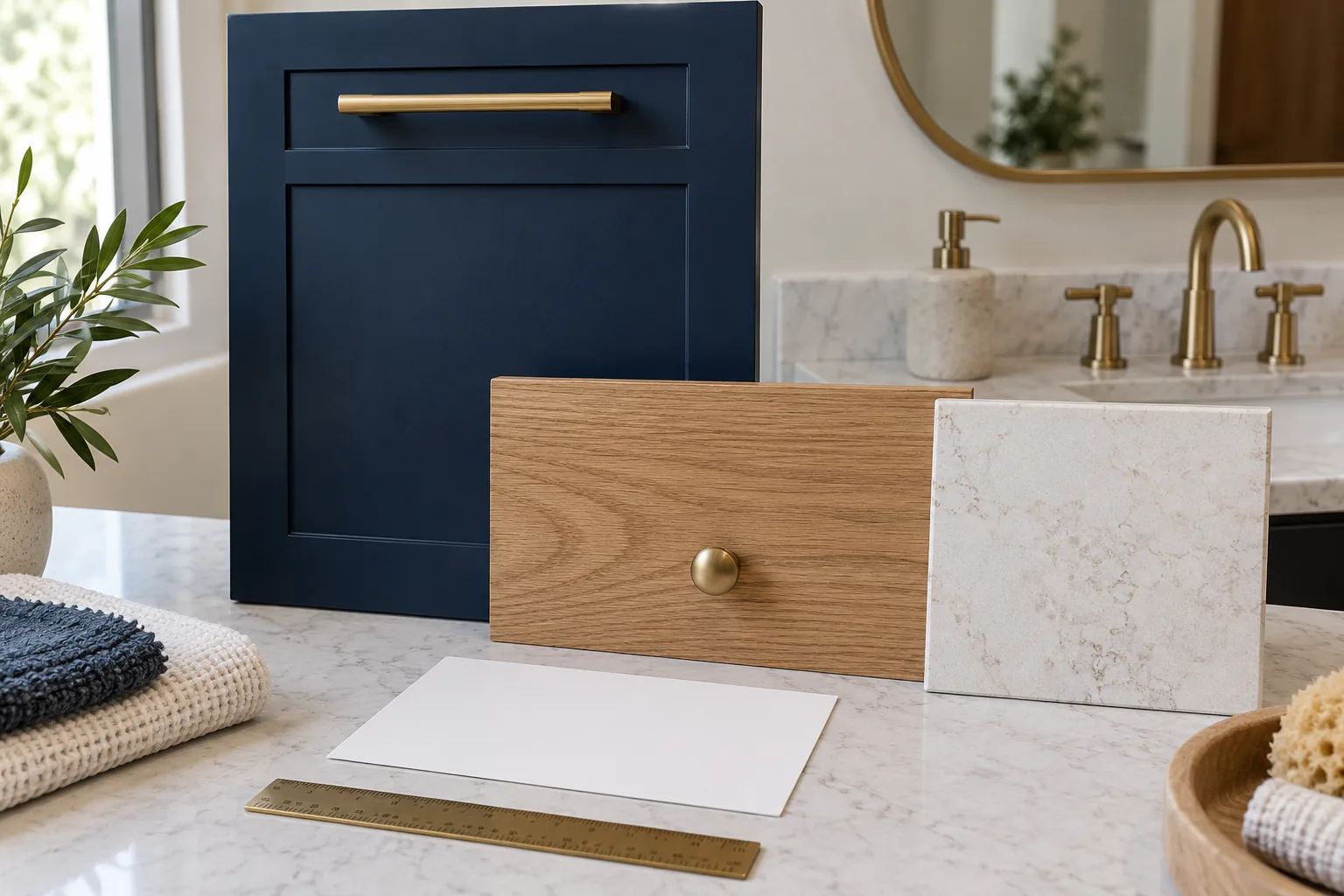
Cabinet purchase preparation in Porterdale
Porterdale is named as a Newton County municipality in the supplied adopted plan, without evidence of local shopping habits or supplier coordination. The owner records inquiries for review. The Index does not merge transactions, approve compatibility, or arrange plumbing and installation. Each actual seller and professional must accept the scope it undertakes.
About Covington Cabinet Index
Know who handles each part
Independent cabinet buying information and quote-request service. We do not manufacture, stock or install cabinets. A referral, supplier response, appointment or purchase is not guaranteed. Product availability, delivery and installation must be confirmed directly with the seller or separately engaged contractor.
Keep the two product offers identifiable
Record the cabinet seller's actual reference, dimensions, interior, finish, and included pieces. Record the other seller's proposed top, basin, and relevant components separately. A shared bathroom image or matching color word cannot establish one combined supply agreement. The buyer needs each offer's current scope and exclusions.
In the hypothetical purchase, the buyer prefers one cabinet and another seller's top arrangement. Mark the proposed combination as under consideration until checked. A seller's willingness to supply its item does not automatically establish responsibility for another party's goods. Ask what information each needs before making its own commitment.
Preserve dates and version references for both offers. If one changes a component, the other may need more information before the intended relationship can be relied upon. Keep the two quote records connected by a common project label without pretending they are one transaction. Coordination requires actual answers.
Identify the relationship that needs checking
Ask for relevant product information about how the intended top, basin, and cabinet work together. The actual products determine the question; nominal width or a photograph alone cannot establish compatibility. Identify the person or party willing to assess that relationship and what its answer covers.
The hypothetical buyer should not ask one seller merely whether everything should work. Provide the exact other-product reference and the specific uncertainty. A targeted question can produce an answer tied to actual goods. If no party accepts the assessment, keep the combination provisional rather than declare it matched.
A revised top or cabinet can reopen the check. Preserve the answer with the references it concerns. Approval of one product set should not automatically transfer to a similar-looking substitute. The Index owner can review the question without certifying support, fit, or an unknown seller's responsibility.
Create a dependency table showing each component, the other product it must relate to, and the source of the answer. If the top seller used an earlier cabinet reference, ask it to revisit that relationship. Both current offers should point to the combination being considered, rather than separate answers about superseded pieces.

Bring the actual bathroom into the component decision
Record accessible opening dimensions, adjoining fixtures, door operation, and observed plumbing with recognizable reference points. Mark hidden conditions. The Home Depot reference identifies these fit categories without approving the hypothetical combination or supplying a universal numerical allowance.
Ask how the cabinet interior relates to observed connections and what the complete arrangement needs for operation. A top compatibility answer does not settle every plumbing or room issue. The buyer should know which fact has been checked and which remains open before either seller receives an order authorization.
If related work is proposed, obtain its actual scope from the responsible professional. Do not assume moving a connection is simple or included. Property-specific approval questions need relevant address-and-scope-specific answers. The adopted municipal identity provides no rule for the work or condition of the room.
Coordinate arrivals without assuming a combined service
Ask each seller about availability, shipment, accepted destination, handling, and discrepancy reporting. Two product choices do not establish aligned delivery timing. The buyer needs a receiving plan for each actual offer, with the expected goods and responsible person clear. A preferred common date is context, not a booked commitment.
For the hypothetical split purchase, one item may be offered before the other. Ask how that affects the independently arranged work and holding plan. Do not invent seller storage or assume a professional can start without the complete combination. Preserve actual prerequisites and the responses from the relevant parties.
Obtain each seller's reporting process and evidence requirements. An issue needs to be linked to the appropriate supplied component and transaction. The guide does not determine liability between unknown parties or guarantee a remedy. Clear references help explain the issue without merging separate terms into an invented combined policy.
Cost estimates for two component transactions
No observed Porterdale cabinet or top prices are supplied. Request estimates for each identified offer, including fulfillment and applicable charges. Then add independently arranged assessment or work actually intended. A sum of product subtotals is not the complete purchase amount while essential tasks or components remain unquoted.
Compare the proposed split arrangement with a matched offer only if an actual seller provides one. Identify differences in goods, compatibility responsibility, and fulfillment. A buyer can choose the split purchase deliberately, but should not assume it saves money or produces the same commitments as a combined offer.
Split-component estimates for Porterdale are subject to change with accepted references and fulfillment; each seller's written quote establishes its supplied portion and amount. Independent work needs separate documented terms. The Index cannot guarantee a combined price, compatibility finding, coordinated delivery, or lower complete-purchase cost.
Authorize two scopes with one understood combination
Before purchasing, reconcile both accepted offers with the combination that was checked and the current room record. Ask for correction if a reference changed or an essential piece remains unspecified. The buyer should be able to explain what each seller supplies and which independent tasks have been accepted.
The supplied Newton plan identifies Porterdale as a municipality. It does not establish supplier assortment, local buyer patterns, or provider territory. Confirm the real destination with each transaction party rather than treat the locality article as coverage evidence.
For owner review, identify Porterdale, the two product references, and the unanswered relationship or scope question. The owner records the inquiry; possible sharing depends on permission and recipient willingness. No automatic seller coordination occurs. Actual commitments must come from each party accepting its defined goods or work.

Inquiry process
From buying questions to a possible supplier quote
Sending an inquiry does not reserve products or book work.
Describe the purchase
Include project ZIP, room, approximate cabinet list and preferred timing.
Clarify requirements
Identify assembly, access, measurements and any separately arranged labor.
Confirm referral availability
An inquiry can be referred only if a suitable seller accepts the location and product request.
Review seller terms
Confirm the final drawing, itemized price, payment, delivery and return terms directly before ordering.
Illustrative product choices
Illustrative product visualizations, not completed work, local properties or supplier facilities.
Questions
Porterdale Questions
Does buying two matching-looking pieces prove compatibility?
Obtain exact references and relevant product information, then identify who accepts the actual assessment. Appearance or nominal width cannot establish every relationship. Keep the proposed combination provisional where a required answer is missing rather than treating two separate offers as one approved set.
Can one seller be assumed responsible for the other component?
Ask each party what its actual accepted scope covers. A common project does not merge independent transactions or establish responsibility for another seller's goods. Preserve the written answers and seek the relevant assessment before authorizing the intended combination.
Will two sellers deliver on the same preferred date?
Obtain actual availability and fulfillment terms independently. A desired coordinated arrival is not a commitment until the parties accept it. Identify receiving, holding, and professional-work dependencies if the offered timing differs.
Will the Index coordinate the split order?
The owner reviews the inquiry record without placing or merging purchases. Potential contact sharing requires permission and independent willingness. Confirm goods, compatibility responsibilities, destination, and related work directly with the parties accepting their actual scopes.
Talk to us about your project in Porterdale
Describe the purchase and project ZIP in Covington. Supplier acceptance and any referral are confirmed separately; no visit or quote is booked by this form.
Calls only, we do not receive text messages.